
How Many Sheets of Plywood Are in a Bundle, Bunk, or Pallet?
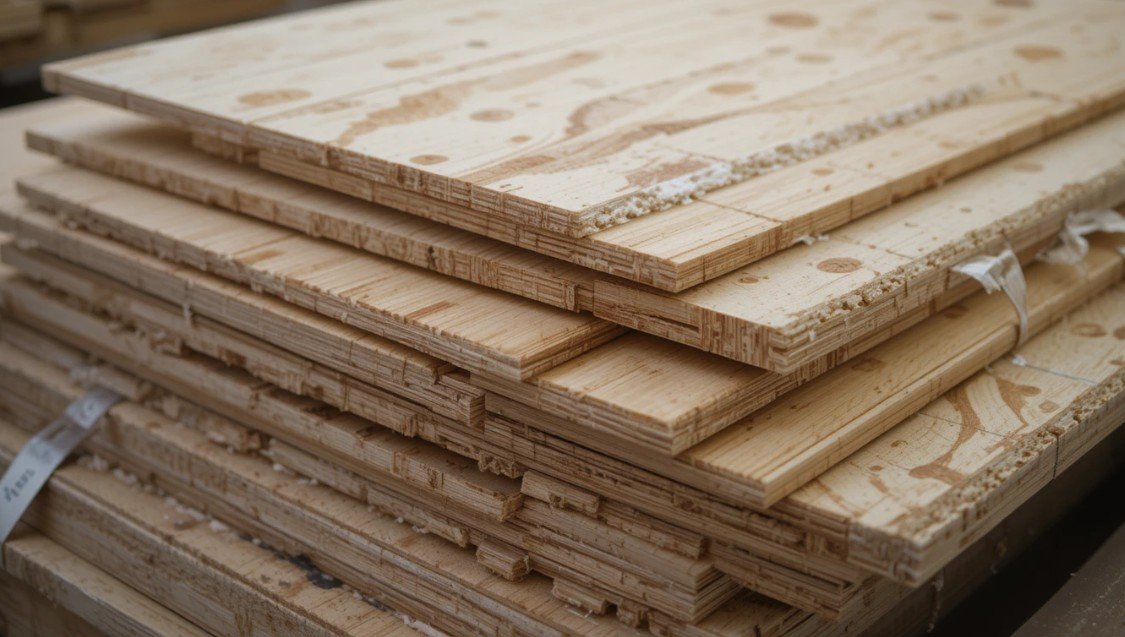
If you have ever stood in a lumberyard staring at a tall stack of plywood, you have likely asked yourself, “How Many Sheets of Plywood Are in a Bundle, Bunk, or Pallet?” It seems like a simple question. But the answer is not fixed.
I learned this the hard way during a small workshop project. I ordered what I thought was a “standard bundle,” only to find I had fewer sheets than expected. That mistake cost time, money, and a second delivery fee.
So, let’s break it down in a clear and friendly way. This guide will help you understand counts, avoid surprises, and plan smarter for your next job.
Understanding the Terms: Bundle, Bunk, Unit, Lift, and Pallet
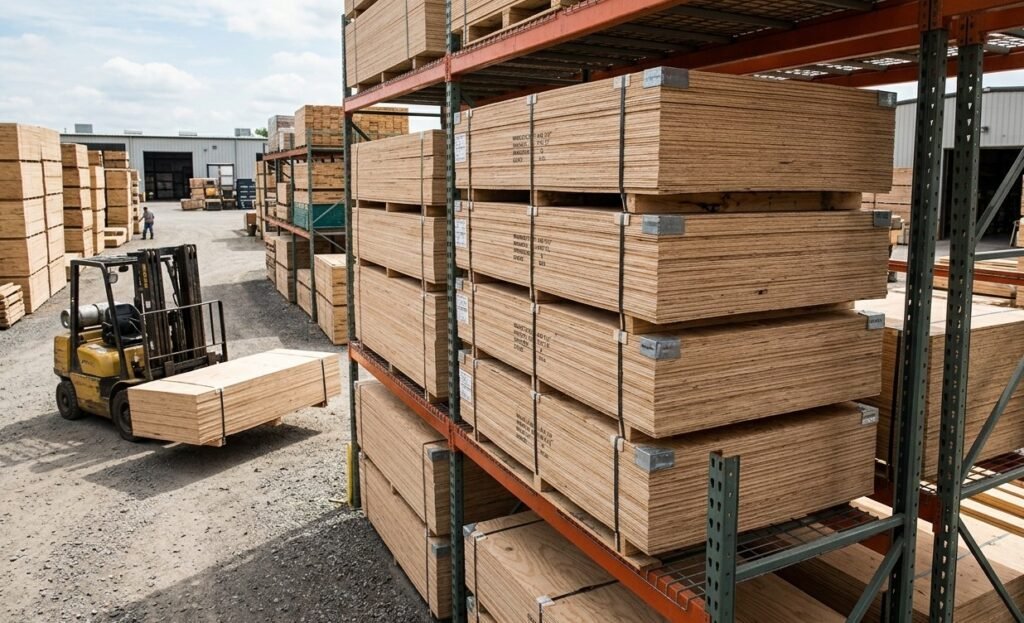
Before we count anything, we need to understand the words. These terms often confuse people because they sound precise, but they are not.
A bundle usually means a strapped group of plywood sheets ready for shipping. Some yards use it for smaller stacks, while others use it for any size.
A bunk often refers to a larger stack that a forklift can move in one go. It may look bigger, but it still does not guarantee a fixed number.
A unit or lift simply means one stack handled as a single piece. These are common terms in warehouses.
A pallet can be tricky. Sometimes plywood sits on a real pallet. Other times, it rests on wooden runners but still gets called a pallet.
Key takeaway: These words describe handling, not quantity.
The Simple Truth About Sheet Counts
Here is the honest answer: there is no universal number.
The count depends on thickness, weight, and supplier packaging. Two stacks may look the same height but contain different numbers of sheets.
Think of it like a stack of books. Thin paperbacks pile high, while thick hardcovers form a shorter stack. Plywood works the same way.
That is why asking “How Many Sheets of Plywood Are in a Bundle, Bunk, or Pallet” always needs context.
Typical Sheet Counts by Thickness
Let’s look at common ranges you will often see for 4×8 plywood sheets. These are not exact numbers, but they are reliable estimates.
| Thickness | Typical Sheets per Bundle |
|---|---|
| 1/4 inch | 50–80 sheets |
| 3/8 inch | 40–70 sheets |
| 1/2 inch | 40–60 sheets |
| 5/8 inch | 30–50 sheets |
| 3/4 inch | 20–40 sheets |
These ranges reflect what many yards receive from suppliers. But always remember, they can shift.
Why Thickness Changes Everything
Thickness is the biggest factor in sheet count.
Each thicker sheet adds more weight. And weight is what limits how many sheets can go into a bundle.
For example, a stack of 1/4-inch plywood can be tall and still safe to move. But a stack of 3/4-inch plywood reaches its weight limit much faster.
So, when asking How Many Sheets of Plywood Are in a Bundle, Bunk, or Pallet, always start with thickness.
How Many Sheets Are in a Bundle of Plywood?
In everyday use, a bundle usually falls into predictable ranges.
For thin plywood like 1/4 inch, you might see up to 80 sheets. These stacks are tall but still manageable.
For medium thickness like 1/2 inch, bundles often hold around 40 to 60 sheets. This is one of the most common ranges in construction.
For thicker panels like 3/4 inch, bundles shrink to about 20 to 40 sheets. The weight adds up fast.
Even within these ranges, suppliers may adjust counts based on material type and shipping needs.
How Many Sheets Are in a Bunk of Plywood?
A bunk often feels like it should have a fixed number. But it does not.
A bunk simply means a stack that a forklift can lift safely. That means weight and balance matter more than sheet count.
For 1/2-inch plywood, a bunk often contains 40 to 60 sheets. For 3/4-inch plywood, it may hold 20 to 40 sheets.
Thicker or specialty panels may have even fewer sheets in a bunk. Safety always comes first.
How Many Sheets of 1/2-Inch Plywood in a Pallet?
If you are working with 1/2-inch plywood, you will often see pallet counts between 40 and 60 sheets.
This range is common because it balances weight and ease of handling.
But here is something many people overlook. Not all 1/2-inch plywood weighs the same. Denser cores and added treatments can increase weight.
That means one pallet may hold fewer sheets than another, even if both are labeled the same thickness.
Factors That Affect Plywood Bundle Count
Several hidden factors influence the final count. These are easy to miss but important to understand.
Key Influences:
- Thickness: Thicker panels reduce total sheet count
- Material type: Hardwood, softwood, or specialty cores change weight
- Moisture content: Wet panels weigh more
- Glue and treatment: Extra layers or coatings add weight
- Supplier packaging: Mills decide how they bundle products
Each of these plays a role in answering How Many Sheets of Plywood Are in a Bundle, Bunk, or Pallet.
Why Counts Vary Across Suppliers
Not all plywood comes from the same place. And that matters.
Different mills use different packaging systems. Some aim for lighter stacks for easier handling. Others pack tighter to reduce shipping costs.
Freight rules also play a role. Trucks have weight limits, and suppliers must follow them.
So, even if two stacks look identical, their sheet counts may differ. That is why guessing based on height alone is risky.
Real-World Example: A Costly Assumption
Let me share a quick story.
A friend of mine ordered what he thought was a “standard bunk” of 3/4-inch plywood. He planned his project based on 40 sheets.
When the delivery arrived, the bunk had only 28 sheets. The supplier had adjusted the count due to weight limits.
That small difference delayed his work by two days. It was a simple mistake, but a costly one.
This is why understanding How Many Sheets of Plywood Are in a Bundle, Bunk, or Pallet is more than just theory.
Planning Your Project with Confidence
When planning a project, it is smart to use the lower end of the range.
If you expect 40–60 sheets, plan for 40. This way, you avoid running short.
Also, think about storage. Larger bundles take more space and need proper support.
Good planning saves time, money, and stress.
Quick Estimation Tips
Here are some simple tips you can use on the spot:
- Always ask for the exact sheet count
- Do not rely on stack height
- Check thickness before estimating
- Plan for the lower range
- Confirm details on the invoice
These habits make a big difference, especially on larger jobs.
How to Confirm the Exact Sheet Count Before You Buy
Now that you understand the ranges, let’s get practical. The safest way to avoid mistakes is to confirm the number before you pay.
When you ask a yard, be direct. Ask, “How many sheets are in your current lift?” This forces a real answer, not a guess.
Also ask if the stack is a full unit or a broken one. Sometimes stores split bundles, and the remaining stack looks complete but is not.
This simple step saves you from surprises. It also answers the core question: How Many Sheets of Plywood Are in a Bundle, Bunk, or Pallet for your exact order.
Reading Unit Tags Like a Pro
Most plywood stacks come with a tag or label. This tag is your best friend.
Look for the quantity (QTY). That tells you the exact number of sheets in the stack.
You should also check thickness, size, and grade. These details confirm you are getting what you need.
If the tag says 52 sheets, trust it. Do not rely on visual estimates. Even experienced workers can misjudge a stack.
What to Check on Invoices and Pickup Tickets
Paperwork matters more than people think.
Your invoice should clearly show the number of sheets. Sometimes it lists “EA,” which means each sheet. Other times, it shows “1 unit” with a sheet count in the description.
If the sheet count is missing, ask before leaving. It is easier to fix mistakes at the counter than after delivery.
Always match the invoice with the unit tag. This double-check ensures accuracy.
Delivery Tips That Save Headaches
Delivery day can make or break your project. A little attention goes a long way.
First, check the stack when it arrives. Look for damaged corners or broken straps. These can affect usability.
Make sure the stack sits evenly on runners. Uneven support can warp the sheets over time.
If rain is coming, cover the stack quickly. Moisture is one of plywood’s biggest enemies.
Good delivery habits protect your investment.
Smart Storage: Keep Your Plywood Flat and Strong
Storage is often ignored, but it matters a lot.
Always store plywood on a flat surface with proper support. Use evenly spaced runners or stickers to hold the weight.
Keep the stack off the ground. Concrete can transfer moisture into the wood.
Add a top sheet or light weight to keep everything flat. This prevents warping over time.
Think of plywood like a book. If you bend it, it may never return to its original shape.
Moisture Protection That Actually Works
Moisture can ruin plywood faster than you expect.
Cover the top of the stack to block rain. But leave the sides open so air can flow. This prevents trapped moisture.
If sheets arrive wet, separate a few to let them dry. Then restack once they are stable.
Good airflow is key. It keeps your plywood in usable condition.
Common Mistakes People Make
Many people assume plywood stacks are standard. That is the first mistake.
Another common error is judging by height. Two stacks may look the same but have different counts.
Some buyers also forget to check invoices. This leads to confusion later.
Avoid these mistakes, and you will handle plywood like a pro.
Quick Reference Table for Easy Planning
Here is a simple table to help you plan quickly:
| Thickness | Low Estimate | High Estimate |
|---|---|---|
| 1/4 inch | 50 sheets | 80 sheets |
| 3/8 inch | 40 sheets | 70 sheets |
| 1/2 inch | 40 sheets | 60 sheets |
| 5/8 inch | 30 sheets | 50 sheets |
| 3/4 inch | 20 sheets | 40 sheets |
Use the lower number for safe planning. This prevents shortages.
Bullet Summary: What You Should Always Remember
- Terms describe handling, not quantity
- Thickness controls weight and sheet count
- Supplier packaging varies widely
- Always confirm using tags and invoices
- Plan using the lower range
These points answer How Many Sheets of Plywood Are in a Bundle, Bunk, or Pallet in a practical way.
FAQs: Common Questions Answered
1. Is there a standard number of sheets in a plywood bundle?
No, there is no fixed number. Counts vary based on thickness, weight, and supplier packaging.
2. How many sheets are in a typical pallet of plywood?
Most pallets hold between 20 and 80 sheets, depending on thickness and type.
3. Why do two bundles look the same but have different counts?
Different materials and weights can change how many sheets fit safely in a stack.
4. Can I estimate sheet count by height?
It is not reliable. Always check the unit tag or ask the supplier.
5. What is the safest way to plan my order?
Use the lower end of typical ranges and confirm exact numbers before buying.
6. Do big-box stores have standard bundle sizes?
They may appear consistent, but counts still vary by supplier and region.
7. Does plywood type affect bundle count?
Yes, specialty panels and treated plywood often have fewer sheets due to higher weight.
Final Thoughts: The Smart Way to Handle Plywood Orders
At the end of the day, the question How Many Sheets of Plywood Are in a Bundle, Bunk, or Pallet does not have a single answer.
It depends on thickness, material, and how the supplier packages the stack.
The best approach is simple. Use typical ranges for planning, then confirm the exact count before you commit.
This small habit can save you from delays, extra costs, and frustration.
Think of it as a quick check that keeps your project running smoothly.