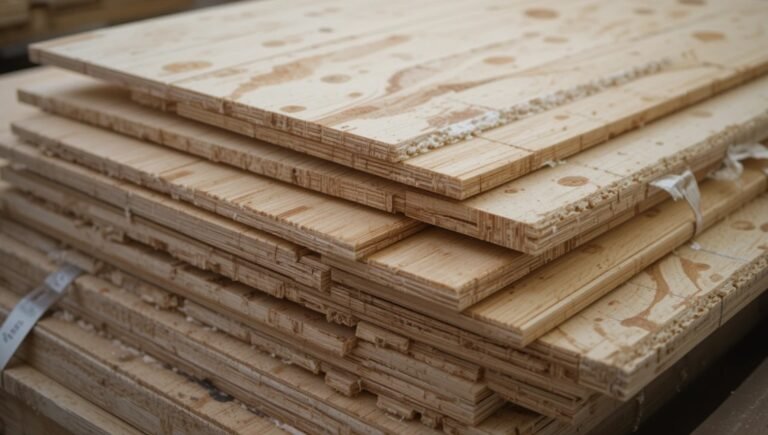
What Wood Is Better for Kitchen Cabinets: 5 Pro Picks for Paint or Stain
If you’ve ever stood in a cabinet showroom and felt confused, you’re not alone. I’ve been there too, staring at samples, wondering why one looks perfect and another feels off. The truth is, picking cabinet wood is not just about looks. It’s about how it lives with you every day.
The question “What Wood Is Better for Kitchen Cabinets: 5 Pro Picks for Paint or Stain” is really about balance. You want something that looks good, lasts long, and fits your budget. That’s where the right wood choice changes everything.
Let’s break this down in a way that feels real and useful.
Why the Right Cabinet Wood Matters More Than You Think
Your kitchen is not a calm place. It’s full of heat, spills, noise, and daily use. That means your cabinets take a beating.
A “better” wood does three simple things well:
- Stays flat even with humidity changes
- Handles dents and bumps from daily use
- Takes paint or stain evenly
Think of your cabinets like shoes. You want them stylish, but also tough enough for daily wear.
Paint vs Stain: Start Here First
Before you pick wood, decide your finish. This one choice saves hours of confusion.
If you want paint:
- Choose smooth, tight-grain wood
- Avoid visible texture
- Go for a clean, modern look
If you want stain:
- Choose wood with visible grain
- Let natural patterns show
- Aim for warmth and depth
This step is the foundation of understanding What Wood Is Better for Kitchen Cabinets: 5 Pro Picks for Paint or Stain.
The 5 Pro Picks: Wood That Actually Works in Real Kitchens
Now let’s get into the real heroes. These are the woods professionals trust.
1. Hard Maple: The Safe and Smart Choice
Hard maple is like that reliable friend who never lets you down. It works in almost every kitchen style.
It has a tight grain, which means paint looks smooth and clean. It is also strong enough to resist dents from daily use. If your kitchen is busy, this matters.
One thing to watch: dark stain can look uneven if not done right. But with proper prep, it still performs well.
Best for:
- Painted cabinets
- Light stain finishes
- Busy family kitchens
2. White Oak: Modern, Calm, and Beautiful
White oak feels like a breath of fresh air. Its grain is visible but not messy. It gives that soft, natural look people love today.
It also handles wear very well. So it’s not just pretty—it’s practical too.
If you want a kitchen that feels warm but modern, this is a strong pick.
Best for:
- Natural finishes
- Scandinavian or modern kitchens
- Flat panel designs
3. Birch: The Budget-Friendly Winner
Birch is the quiet achiever. It doesn’t get as much attention, but it delivers great value.
It looks similar to maple but costs less. That makes it perfect if you want a hardwood look without spending too much.
It can stain a bit uneven if rushed. But with proper finishing, it looks great.
Best for:
- Budget kitchens
- Light to medium stain
- Simple, clean designs
4. Hickory: Tough, Bold, and Full of Character
Hickory is strong. Really strong. If your kitchen sees heavy use, this wood can take it.
Its grain is bold and varied. Some people love that wild look. Others find it too busy.
I once saw a hickory kitchen in a farmhouse. It had dents and marks, but it still looked amazing. That’s the charm.
Best for:
- Rustic kitchens
- High-traffic homes
- People who like natural variation
5. Cherry: Warm, Classic, and Timeless
Cherry wood feels rich and warm. It has a smooth grain and deep color that gets darker over time.
That aging process is part of its beauty. Your cabinets will slowly develop a deeper tone, almost like they’re telling a story.
It’s softer than maple, so it can dent a bit easier. But many people see that as character.
Best for:
- Traditional kitchens
- Warm tones
- Long-term beauty
Quick Comparison Table: Find Your Match Faster
Here’s a simple way to compare your options:
| Wood Type | Grain Style | Strength Level | Best Finish | Ideal Use |
|---|---|---|---|---|
| Maple | Smooth | High | Paint | All-purpose |
| White Oak | Clean grain | High | Natural | Modern kitchens |
| Birch | Subtle | Medium | Stain | Budget projects |
| Hickory | Bold | Very high | Natural | Rustic homes |
| Cherry | Fine | Medium | Stain | Classic style |
This table makes What Wood Is Better for Kitchen Cabinets: 5 Pro Picks for Paint or Stain easier to understand at a glance.
What Makes One Wood Better Than Another?
Not all woods behave the same. Here are the key factors that really matter.
1. Moisture Movement
Wood absorbs and releases moisture. Kitchens have steam, spills, and heat. So stability matters.
A good cabinet wood won’t warp or crack easily.
2. Dent Resistance
Some woods are harder than others. Harder wood means fewer dents.
If you have kids, pets, or heavy use, choose a stronger wood like maple or hickory.
3. Grain Pattern
Grain affects both looks and finish.
- Tight grain = better for paint
- Open grain = better for stain
This is a core idea behind What Wood Is Better for Kitchen Cabinets: 5 Pro Picks for Paint or Stain.
4. Construction Matters Too
Even the best wood fails with poor construction.
Look for:
- Frame-and-panel doors
- Strong joints
- Well-sealed surfaces
A well-built cabinet beats an expensive wood every time.
Hardwood vs Softwood: Is Hardwood Always Better?
Most of the time, yes. Hardwood is stronger and lasts longer.
Maple, oak, and hickory handle daily wear much better than softwoods like pine.
But softwood has its place. Pine can work in cozy or rustic kitchens. It dents easily, but that can add charm.
So the real answer is: hardwood is better for durability, but softwood works for style.
Should You Use Solid Wood or Plywood for Cabinet Boxes?
Here’s a tip many people miss.
Cabinet boxes are better in plywood, not solid wood.
Why? Because solid wood moves with humidity. That can cause warping.
Plywood stays stable. It holds shape better over time.
For long-lasting cabinets:
- Use solid wood for doors
- Use plywood for boxes
This combo gives the best of both worlds.
Best Wood for Painted Cabinets
If you love painted cabinets, your wood choice matters a lot.
Top choices:
- Maple
- MDF panels (with wood frames)
- Poplar (budget option)
These woods have smooth surfaces. That means paint looks clean and even.
Avoid open-grain woods like oak unless you fill the grain first.
Best Wood for Stained Cabinets
Stain highlights natural beauty. So grain matters more here.
Top choices:
- White oak
- Cherry
- Walnut
- Hickory
These woods absorb stain well and show depth.
If you want rich, natural tones, these are your go-to options.
Choosing Wood for Busy Kitchens: Real-Life Advice That Works
Let’s be honest. Not all kitchens are gentle spaces. Some feel like a daily storm of spills, heat, and constant movement. If your home has kids, pets, or heavy cooking, your cabinets need to be tough.
In these cases, I always lean toward hard maple, white oak, or hickory. These woods resist dents and hold their shape well. You don’t want to worry every time something bumps into your cabinet.
Also, think about the finish. A matte or satin finish hides scratches better than gloss. It’s a small choice, but it makes a big difference over time.
The Finish Matters More Than You Think
Here’s something many people miss. The wood is important, but the finish often decides how your cabinets feel after years of use.
A high-quality finish can:
- Protect against moisture
- Reduce visible scratches
- Make cleaning easier
Even a mid-range wood can perform like a premium one with the right finish. On the flip side, a poor finish can ruin even the best wood.
So when thinking about What Wood Is Better for Kitchen Cabinets: 5 Pro Picks for Paint or Stain, remember that finish is half the story.
Real-Life Trick: Always Test Samples at Home
This is one of the best lessons I learned the hard way.
A wood sample can look perfect in a store but completely different at home. Lighting changes everything. Your kitchen lights, wall colors, and even sunlight affect how wood appears.
Take samples home. Place them near your cabinets. Look at them in the morning and at night.
Wood tells the truth in your own space, not in a showroom.
How to Choose the Right Wood in 10 Minutes
If you feel stuck, use this quick method. It works every time.
Step 1: Pick your finish
Do you want paint, light stain, or dark stain?
Step 2: Choose your grain
- Smooth → maple
- Medium → birch or cherry
- Bold → oak or hickory
Step 3: Match your lifestyle
- Busy home → harder wood
- Calm home → more flexibility
Step 4: Check your budget
- High → walnut or cherry
- Medium → maple or oak
- Budget → birch or poplar
Step 5: Confirm box material
Make sure cabinet boxes are plywood, not weak particle board.
This simple process answers What Wood Is Better for Kitchen Cabinets: 5 Pro Picks for Paint or Stain in a practical way.
Common Mistakes People Make (And How to Avoid Them)
I’ve seen these mistakes many times, and they can be costly.
Ignoring grain when painting
Open grain wood can show texture through paint. Always choose tight grain for smooth finishes.
Choosing wood only by looks
Looks matter, but durability matters more in a kitchen.
Skipping samples
This leads to regret. Always test first.
Overlooking construction quality
A strong cabinet build is just as important as the wood itself.
Avoid these, and your cabinets will last much longer.
A Quick Look at Other Popular Woods
Beyond the main five, a few other woods are worth mentioning.
Walnut
Walnut feels luxurious. It has deep, rich tones and strong contrast. It works best in modern kitchens or as a statement piece.
Poplar
Poplar is affordable and paints well. But it dents easily, so it’s better for low-traffic areas.
Pine
Pine is soft and rustic. It’s perfect for cottage-style kitchens but not ideal for heavy use.
Each of these has its place, depending on your style and budget.
Balancing Budget and Quality
You don’t need the most expensive wood to get a beautiful kitchen.
A smart approach is to spend where it matters:
- Use solid wood for doors and frames
- Use plywood for cabinet boxes
This mix gives you durability and cost savings.
Birch, for example, can look amazing with the right finish. It’s proof that good design beats high cost.
Emotional Side of Choosing Cabinet Wood
This might sound strange, but wood has personality. Some feel calm, others feel bold.
Maple feels clean and safe.
Cherry feels warm and nostalgic.
Hickory feels strong and wild.
Your kitchen is a personal space. So trust your instinct too. The best choice is one that feels right every day.
FAQs About Kitchen Cabinet Wood
1. What is the most durable wood for kitchen cabinets?
Hard maple and hickory are among the most durable. They resist dents and daily wear very well.
2. Is plywood better than solid wood for cabinets?
Yes, for cabinet boxes. Plywood is more stable and less likely to warp over time.
3. Which wood is best for painted cabinets?
Maple and MDF panels are the best. They give a smooth, clean finish.
4. Which wood is best for stained cabinets?
White oak, cherry, and walnut are great choices. They show grain beautifully.
5. Is expensive wood always better?
Not always. A well-built cabinet with mid-range wood can outperform a poorly made expensive one.
6. Can softwood be used for kitchen cabinets?
Yes, but it dents easily. It works best in rustic or low-traffic kitchens.
7. How long do wood cabinets last?
With proper care, they can last 20–50 years or more.
Final Thoughts: What Really Matters Most
At the end of the day, What Wood Is Better for Kitchen Cabinets: 5 Pro Picks for Paint or Stain is not about finding a perfect wood. It’s about finding the right fit for your life.
If you want a safe and reliable option, go with hard maple and plywood boxes. It works in almost every situation.
If you want style, explore oak, cherry, walnut, or hickory based on your taste.
And always remember, cabinets are not just furniture. They are part of your daily life. Choose something that feels good, works hard, and ages beautifully with you.