If you’ve ever held two pieces of wood together, waiting… and waiting… you already know the struggle. Time feels slow when glue won’t set. That’s where the Best Fast Drying Wood Glue becomes your best friend.
I still remember fixing a broken chair leg right before guests arrived. I needed something quick, strong, and clean. That moment taught me one thing—speed matters, but strength matters more.
In this guide, I’ll walk you through real-world insights, smart choices, and practical tips. Whether you’re repairing furniture or working on crafts, choosing the right glue can save your project—and your patience.
What Makes a Wood Glue “Fast Drying”?
Not all “fast” glues behave the same. Some grab instantly. Others just reduce clamp time.
Here’s the simple truth:
- Set time = when glue stops sliding
- Clamp time = when you can remove pressure
- Full cure = when strength is max
Many beginners confuse these stages. I did too. I once removed clamps too early, and the joint failed the next day.
The Best Fast Drying Wood Glue balances speed with working time. You want enough time to adjust, but not enough to waste your day.
Quick Comparison Table of Glue Types
| Glue Type | Dry Speed | Best Use | Limitation |
|---|---|---|---|
| PVA Fast Set | Medium-fast | Furniture, joints | Short open time |
| CA Glue | Instant | Small repairs | Brittle |
| Epoxy | 5-minute set | Gaps, mixed materials | Messy |
| Polyurethane | Fast grab | Outdoor use | Expands |
This table helps you pick smarter. Think of glue like tools—each has its job.
8 Best Fast Drying Wood Glue Picks for 2026
1. Gorilla Super Glue Gel XL – Best for Instant Fixes
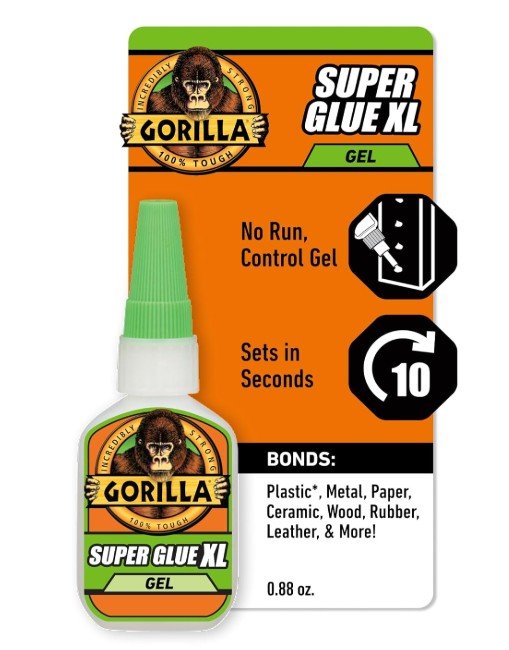
This one is a lifesaver for quick repairs. It’s thick, easy to control, and bonds in seconds.
I used it once to fix a chipped wooden frame. No clamps. No stress. Just press and hold.
Key highlights:
- Sets in seconds
- Clear finish
- No-drip gel
But remember, it’s not for large joints. It works best for small fixes.
2. BOSSDOG Professional Strength Glue – Best for Furniture Work
If you want something closer to traditional wood glue but faster, this is a solid pick.
It gives you about 30 minutes of clamp time, which feels fast for furniture builds. I like using it when working on shelves or cabinets.
Why it stands out:
- Strong bond
- Easy cleanup
- Food-safe after cure
This is one of the most balanced options in the Best Fast Drying Wood Glue category.
3. Meuvcol Extra Strong Glue – Best for Invisible Repairs
Sometimes you don’t want the glue line to show. This glue dries clear and blends in nicely.
I used it on a polished table edge, and honestly, you can’t tell where the repair was.
Top features:
- Waterproof
- Clear finish
- Precision tip
It’s great for both indoor and outdoor fixes.
4. Snailmart Fast Drying Glue – Best for Craft Projects
This glue is built for speed. It grabs fast and works well on small projects.
If you enjoy DIY crafts or quick builds, this is a fun one to use.
Why people love it:
- Very fast drying
- Clear and odorless
- Works on uneven surfaces
Just be careful—it’s a bit runny if you use too much.
5. BOTTRONY 2-Pack Glue – Best Value Option
Getting two bottles in one pack is always a win. This glue works well for hobby work and small repairs.
I keep one in my toolbox and one in my drawer. You never know when you’ll need it.
Best features:
- Quick press bonding
- Heat resistant
- Clear finish
Not ideal for large joints, but perfect for daily fixes.
6. WoldoClean Wood Adhesive – Best for Precision Work
This glue flows smoothly and gives great control. If you work on small, detailed pieces, this is a great choice.
It feels like using a pen instead of a messy bottle.
Highlights:
- Fine-tip applicator
- Multi-material bonding
- Clean finish
A great pick when accuracy matters.
7. ClenyMagi Fast Dry Glue – Best for Rough Surfaces
Some surfaces are not perfect. This glue handles that well.
It bonds quickly even on uneven or vertical areas. That’s something I really appreciate.
Key points:
- Waterproof
- Fast set
- Works on mixed materials
This makes it a versatile option in the Best Fast Drying Wood Glue lineup.
8. Loctite Quick Dry Wood Glue – Best for Tough Repairs
This glue is built for impact. It can handle vibration and daily use.
I once used it on a drawer that gets slammed a lot. It’s still holding strong.
Why it’s reliable:
- Rubber-toughened formula
- No-drip gel
- Strong grip
Perfect for repairs that take a beating.
How to Choose the Best Fast Drying Wood Glue
Match Glue to Your Project
Think about your project first. Are you fixing a chair or building a table?
For small repairs, go with CA glue. For bigger joints, choose fast-set PVA.
The Best Fast Drying Wood Glue depends on what you’re doing, not just the label.
Consider Moisture Exposure
Water changes everything. Indoor items don’t need waterproof glue. Outdoor projects do.
If your piece will face rain or spills, always pick a waterproof option.
I learned this the hard way after a glued planter failed in one rainy week.
Think About Finish and Appearance
Glue can affect how wood looks. Some leave marks. Others dry clear.
If your project will be stained or polished, choose carefully.
A clean finish often matters more than speed.
Check Working Time
Fast glue can feel stressful. You don’t get much time to adjust.
If your project needs alignment, choose something slower.
A good rule: if setup takes more than a minute, avoid ultra-fast glue.
Tips to Get the Strongest Bond Every Time
- Dry-fit your pieces first
- Use a thin layer of glue
- Clamp properly
- Clean excess glue
- Let it fully cure
These steps sound simple, but they make a huge difference.
The truth is, even the Best Fast Drying Wood Glue won’t help if the basics are wrong.
What Affects Drying Time?
Temperature and Environment
Cold slows everything down. Warm air speeds things up.
I always try to work in a warm room. It makes a noticeable difference.
Glue Thickness
More glue does not mean more strength.
A thin layer dries faster and bonds better. Thick glue stays weak.
Wood Type
Soft wood absorbs glue quickly. Hard wood does not.
Sometimes you need a second coat for better bonding.
Common Mistakes to Avoid
- Using too much glue
- Skipping clamps
- Not cleaning surfaces
- Working too fast
- Ignoring cure time
I’ve made all these mistakes. Most people do.
Fixing them is what turns average work into strong, lasting results.
Advanced Tips for Using Fast Drying Wood Glue Like a Pro
Use a Pre-Coat on Dry Wood
Some wood types absorb glue quickly. This can weaken the bond.
A simple trick is to apply a thin pre-coat first. Let it soak for a minute, then add a second layer.
I use this method on dry or porous wood. It makes the joint stronger and more reliable.
Even the Best Fast Drying Wood Glue performs better when the surface is prepared well.
Control Glue Squeeze-Out
Too much glue can ruin your finish. It seeps out and stains the surface.
For painted projects, wipe it while wet. For stained wood, let it gel, then scrape it off.
I learned this after ruining a tabletop finish. A small mistake, but a big lesson.
Clean glue lines always look more professional.
Clamp Smart, Not Hard
Many people think tighter clamps mean stronger joints. That’s not true.
Too much pressure can squeeze out all the glue. Then the bond becomes weak.
Use firm, even pressure. You want contact, not crushed fibers.
This simple habit improves results with any Best Fast Drying Wood Glue.
How to Make Wood Glue Dry Faster Safely
Warm Up Your Workspace
Glue works best in warm conditions. Cold slows everything down.
If your shop is cold, bring the glue indoors first. Warm materials bond faster.
I often keep my glue in a room-temperature space. It helps a lot.
Improve Air Circulation
Good airflow speeds up drying. It helps moisture leave the glue layer.
You don’t need a fan blasting directly. Just keep air moving gently.
This small change can reduce wait time without harming the bond.
Use the Right Amount of Glue
Thick glue takes longer to dry. Thin layers dry faster and stronger.
Always spread glue evenly. Avoid puddles.
Think of it like butter on bread—thin and smooth works best.
Safety Tips You Should Never Ignore
Protect Your Skin
Fast glue bonds skin quickly. It can also cause heat while curing.
Always be careful when applying. Keep a cloth nearby just in case.
I once glued my fingers together for a few seconds. Not fun.
Work in a Ventilated Area
Some glues have strong fumes. This is especially true for instant adhesives.
Open a window or work in a well-ventilated space.
Your lungs will thank you.
Store Glue Properly
Air and moisture can ruin glue over time.
Always close the cap tightly. Store bottles upright in a cool place.
Old glue becomes thick and weak. Replace it when needed.
When Not to Use Fast Drying Wood Glue
Complex Assemblies
If your project has many parts, fast glue can be stressful.
You won’t have enough time to align everything properly.
In these cases, slower glue works better.
Large Structural Joints
Fast glues are not always best for heavy-duty builds.
Furniture frames and load-bearing joints need strong, reliable bonds.
Choose wisely based on your project.
Flexible or Moving Parts
Some fast glues are brittle. They can crack under stress.
For items that move or vibrate, choose a flexible adhesive.
The Best Fast Drying Wood Glue should match the job, not just the speed.
Real-Life Example: A Quick Repair That Worked
One evening, a wooden drawer broke just before guests arrived.
I grabbed a fast-drying glue, applied a thin layer, and clamped it for 20 minutes.
By the time dinner was ready, the drawer was back in place.
That moment showed me the true value of the Best Fast Drying Wood Glue—speed with reliability.
Frequently Asked Questions
1. What is the fastest drying wood glue?
CA glue is the fastest. It bonds in seconds. But it works best for small repairs.
2. Is fast drying glue as strong as regular glue?
Yes, if used correctly. Strength depends on joint fit and application.
3. Can I skip clamping with fast glue?
Sometimes. Small repairs may not need clamps. Larger joints still do.
4. Does wood glue work on painted surfaces?
It works best on bare wood. Painted surfaces reduce bonding strength.
5. How long should I wait before using glued wood?
Even fast glue needs time. Wait at least 24 hours for full strength.
6. Can fast drying glue be used outdoors?
Only if it is waterproof. Always check the label before use.
7. Why is my glue not drying fast?
Cold temperature, thick glue, or old adhesive can slow drying.
Final Thoughts: Choosing the Right Glue for Your Needs
Finding the Best Fast Drying Wood Glue is not just about speed. It’s about balance.
You need strength, clean finish, and the right working time. Every project is different.
Think of glue as a silent partner in your work. When you choose the right one, everything feels easier.
Take your time to choose wisely. Prepare your surfaces. Apply carefully.
And most importantly, trust the process. A strong bond is not just about glue—it’s about how you use it.